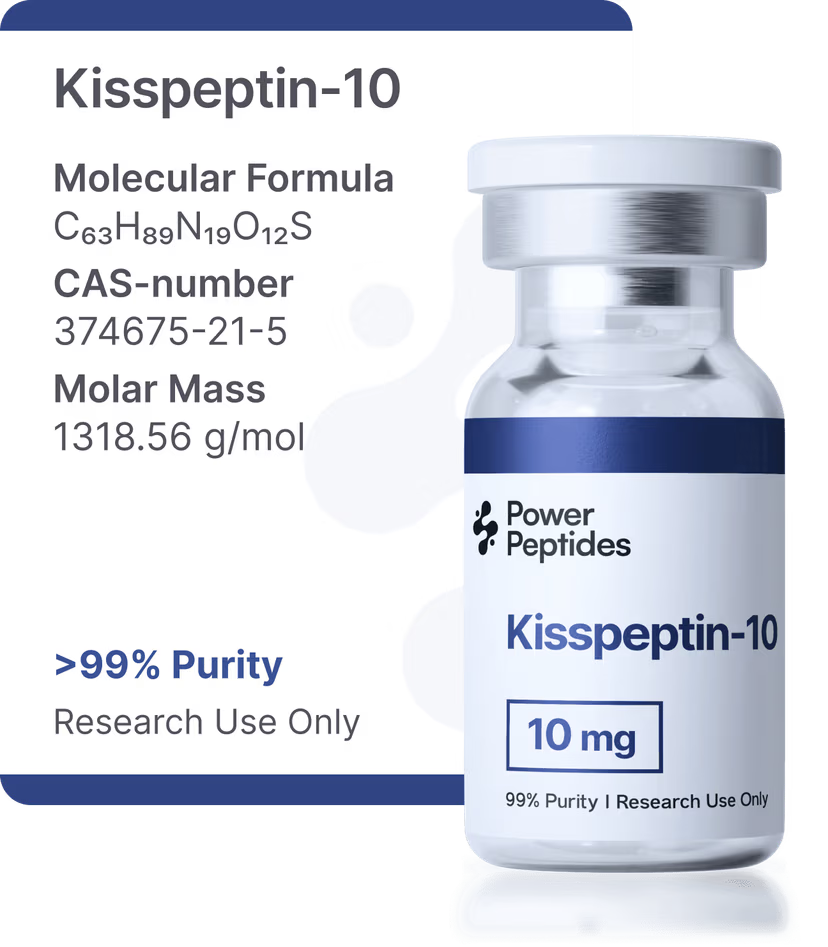
Kisspeptin-10 – Research Peptide
Kisspeptin-10 is a peptide fragment that has been widely investigated in scientific research involving reproductive biology, peptide chemistry, receptor signaling, molecular biology, and neuroendocrine pathways. Researchers have studied its molecular characteristics and interactions with the kisspeptin receptor system in controlled experimental environments.
Power Peptides provides research-focused information about Kisspeptin-10 Research Peptides and related laboratory materials, emphasizing quality awareness, transparency, consistency, and responsible scientific practices.
This page provides general scientific information only. It does not provide medical advice, dosing information, administration instructions, treatment recommendations, or guidance for human or veterinary use.
What Is Kisspeptin-10?
Kisspeptin-10 is a biologically active peptide fragment derived from the kisspeptin family. It has been investigated for its interaction with the KISS1R receptor and its role in studying neuroendocrine signaling.
Researchers may examine Kisspeptin-10 to better understand peptide-receptor interactions, molecular signaling, cellular responses, and related biological pathways.
As with other Research Peptides, experimental findings should be interpreted according to the specific research model, methodology, controls, and limitations of each study.
Kisspeptin-10 Research
Kisspeptin-10 research may involve studies of receptor biology, neuroendocrine signaling, reproductive biology, molecular pathways, and peptide chemistry.
Researchers can use controlled laboratory systems and appropriate analytical techniques to investigate peptide characteristics and receptor interactions. Results can vary according to experimental conditions, methodology, and the biological model used.
Researchers should consult relevant scientific literature, validated laboratory methodologies, and qualified scientific professionals when evaluating Kisspeptin-10 research.
Kisspeptin-10 as a Research Peptide
Research peptides may be evaluated for molecular composition, purity, structural characteristics, stability, and analytical behavior.
Kisspeptin-10 may be relevant to scientific research involving peptide-receptor signaling, neurobiology, molecular biology, and reproductive research.
The suitability of a specific research material depends on the objectives of the research project, laboratory methodology, product specifications, and applicable institutional requirements.
Researchers should independently review product-specific documentation before selecting materials for scientific work.
Quality and Documentation
Quality and consistency are important considerations when evaluating laboratory research materials. Researchers may review product identity, specifications, batch information, packaging, labeling, and available analytical documentation.
Power Peptides takes a quality-focused approach to presenting Kisspeptin-10 Research Peptides, emphasizing transparent information and responsible scientific supply.
Where documentation is available, researchers should review information associated with the specific product and batch. Independent analytical verification may also be appropriate depending on laboratory quality-control requirements.
Receptor and Neuroendocrine Research
Kisspeptin-10 has attracted scientific interest because of its relationship with KISS1R-mediated signaling. Scientists may investigate receptor interactions, cellular responses, and neuroendocrine pathways using controlled experimental models.
The complexity of biological systems means research outcomes depend on experimental conditions, methodology, controls, and the specific model being studied.
Laboratory or preclinical observations should not automatically be interpreted as evidence of safety, effectiveness, or suitability for personal use.
Power Peptides maintains a research-only approach and does not make medical claims regarding Kisspeptin-10.
Responsible Laboratory Research
Responsible scientific research requires appropriately qualified personnel, suitable laboratory procedures, established safety practices, and compliance with applicable regulations and institutional requirements.
Researchers considering Kisspeptin-10 should independently determine whether the material is appropriate for their scientific objectives and permitted within their laboratory or institution.
Relevant scientific literature, validated methodologies, product documentation, and established laboratory protocols should guide research planning.
Power Peptides does not provide instructions for human or veterinary administration, dosing, or therapeutic use.
Storage and Handling
Research materials should be stored and handled according to applicable product documentation and established laboratory procedures.
Researchers should review product-specific information regarding storage conditions, packaging integrity, labeling, expiration, and quality-control requirements.
Laboratories should maintain suitable records for identifying and documenting research materials to support traceability, consistency, and reproducibility.
Research Use Only
All products supplied by Power Peptides are intended strictly for laboratory, analytical, educational, and scientific research purposes only. Kisspeptin-10 is not intended for human or veterinary consumption, self-administration, medical use, or therapeutic application.
The information presented on this page is general scientific information and should not be interpreted as medical advice, treatment guidance, dosing information, or instructions for personal use. Researchers are responsible for complying with applicable regulations, institutional requirements, laboratory safety procedures, and accepted scientific standards.
Power Peptides — Research-focused materials, transparent information, and responsible laboratory supply.
Reviews
There are no reviews yet.